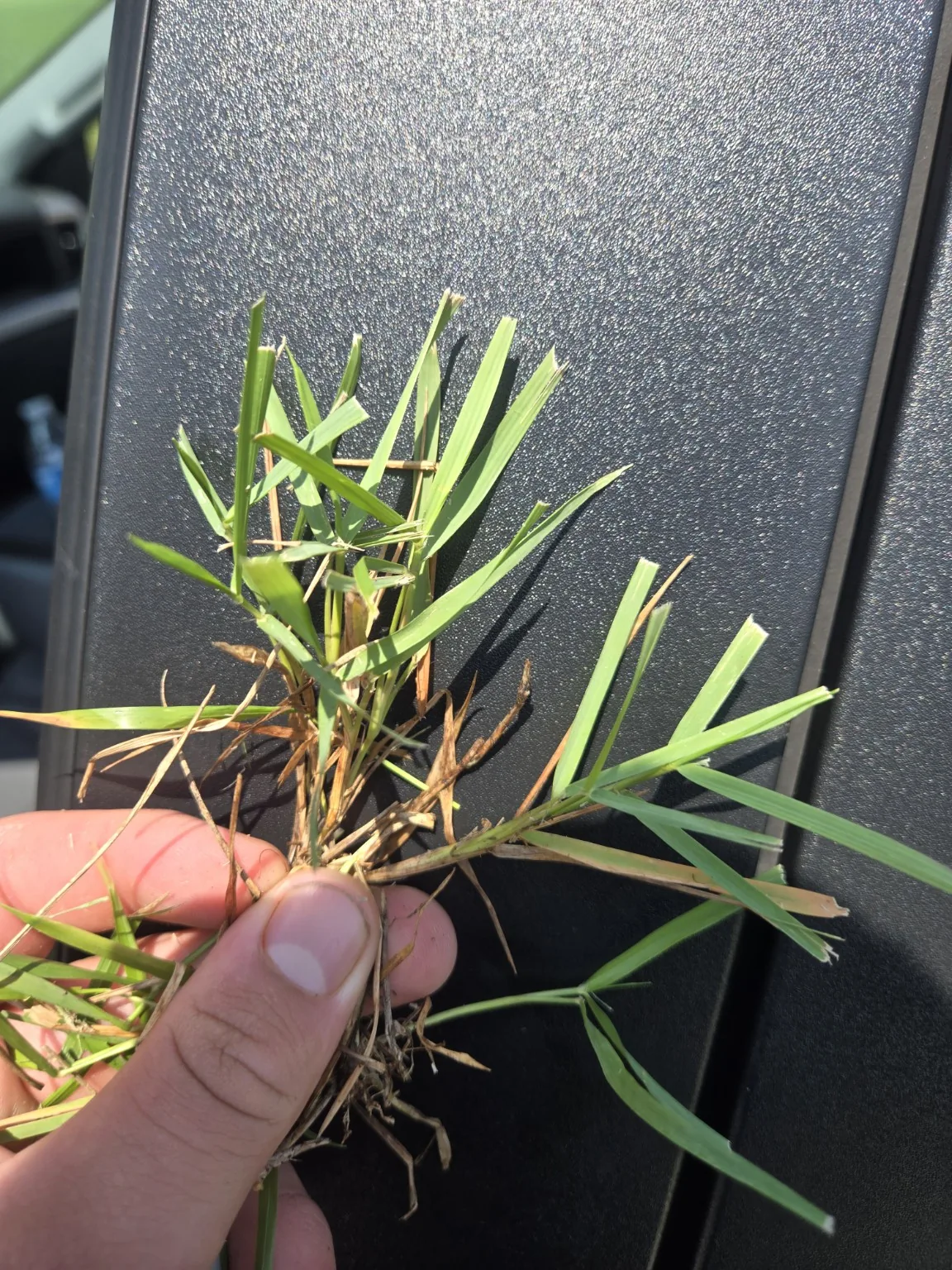
Soil-first turf management
Every new Grover turf-management program begins below the surface.
An elaborate soil test gives us a baseline for fertility, pH, nutrient relationships, salts, and other conditions that can shape turf performance. It is not a magic report—and it is not a one-time “fix.”
The simple answer
We test because guessing is not a management strategy.
Soil testing helps Grover understand what the turf is growing in before we build the long-term fertility and soil-management approach.
- Establish a baseline for pH and nutrient status.
- Identify imbalances or elevated soluble salts that deserve attention.
- Guide fertility instead of relying on color alone.
- Create a record that can be compared with future tests.
- Support more precise conversations about what soil amendments can—and cannot—do.